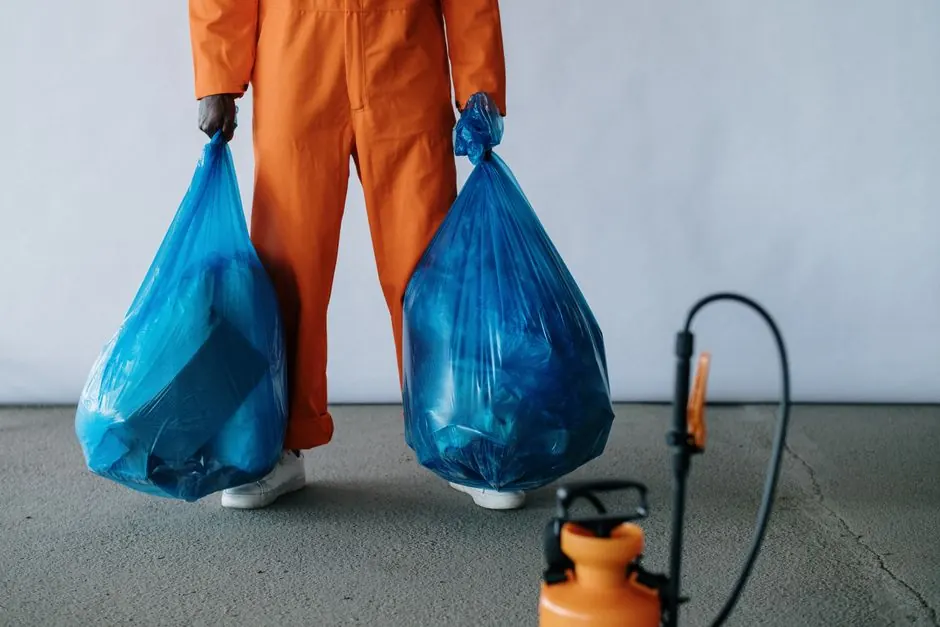
Managing biohazardous waste in your Illinois clinic is crucial for safety and compliance. Proper management of biohazard waste in Illinois involves understanding regulations, implementing best practices, and ensuring the safety of both staff and patients. This article will guide you through effective strategies for biohazard waste disposal, highlight common mistakes, and provide insights on when to seek professional help.
What is biohazardous waste?
Biohazardous waste is any waste that poses a risk to human health or the environment due to its infectious nature. This includes materials like used sharps, contaminated gloves, and any materials that have come into contact with bodily fluids. Understanding what constitutes biohazardous waste is the first step in developing effective biohazardous waste disposal in Illinois strategies.
Why is proper management of biohazard waste important?
Proper management of biohazard waste in Illinois is essential to prevent health risks and environmental contamination. Inadequate disposal can lead to the spread of infections, legal penalties, and damage to your clinic's reputation. Effective biohazard waste management helps maintain a safe healthcare environment for both patients and staff.
How to manage biohazardous waste in Illinois?
To manage biohazardous waste in your Illinois clinic, follow these key steps:
- Identify biohazardous materials: Recognize all items that fall under biohazard waste, including sharps, contaminated linens, and expired pharmaceuticals.
- Segregate waste: Use color-coded containers to separate biohazardous waste from regular trash. This minimizes the risk of accidental exposure.
- Label containers: Clearly label all containers with appropriate biohazard symbols to alert staff and waste handlers.
- Store waste safely: Keep biohazardous waste in a secure area until it is ready for disposal. Ensure that storage areas are locked and limited to authorized personnel.
- Schedule regular pickups: Arrange for regular medical waste pickup in Illinois to ensure timely disposal of biohazardous materials.
What are the risks of improper biohazard waste management in Illinois?
Improper management of biohazard waste can lead to several significant risks, including:
- Health risks: Exposure to infectious materials can lead to serious health issues for staff and patients.
- Legal repercussions: Non-compliance with Illinois regulations can result in fines and legal action against your clinic.
- Environmental damage: Contaminated waste can harm local ecosystems if not disposed of properly.
How to ensure compliance with biohazard waste regulations in Illinois?
Ensuring compliance with biohazard waste regulations in Illinois involves several steps:
- Stay informed: Keep up-to-date with local and state regulations regarding biohazard waste management.
- Train staff: Provide regular training for your staff on proper disposal practices and safety protocols.
- Document procedures: Maintain records of waste disposal practices and compliance with regulations. This can help in audits and inspections.
- Utilize professional services: Consider partnering with a reliable service provider for medical waste disposal services in Illinois to ensure compliance and efficiency.
Common mistakes in biohazard waste management
Clinics often make several common mistakes when managing biohazard waste:
- Mixing waste types: Failing to segregate biohazardous waste from regular trash can lead to contamination.
- Poor labeling: Inadequate labeling of waste containers can result in mishandling and exposure.
- Neglecting training: Not providing proper training for staff can increase the risk of accidents.
- Ignoring regulations: Overlooking state and federal regulations can lead to serious consequences.
When to call a professional
If you find managing biohazard waste in your clinic overwhelming, it may be time to call a professional. Illinois Medical Waste Disposal offers comprehensive services to help clinics comply with regulations and safely dispose of biohazardous materials. Their expertise can streamline your waste management process and ensure safety.
Frequently Asked Questions
- What are the steps to manage biohazardous waste in Illinois? The steps include identifying, segregating, labeling, storing safely, and scheduling regular pickups for waste disposal.
- How to ensure compliance with biohazard waste regulations in Illinois? Stay informed about regulations, train staff, document procedures, and consider professional services for compliance.
- What are the risks of improper biohazard waste management in Illinois? Risks include health hazards, legal penalties, and environmental damage due to improper disposal.